


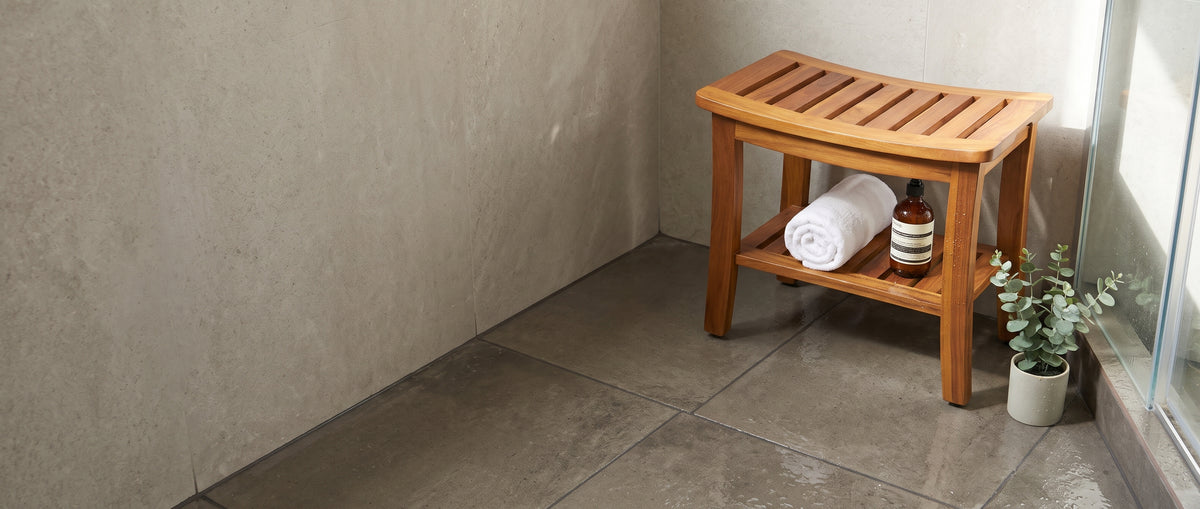
Teak is one of the few woods you can leave outdoors and expect to last. It has been used on ship decks and garden furniture for generations because its dense heartwood and natural oils resist water, decay and insects. But "low maintenance" is not "no maintenance." Sun, rain, pollen, leaves, spills, snow and freeze-thaw cycles all leave their mark, and a few minutes of care at the right time of year keeps teak looking its best.
This guide walks through a year of teak care, season by season. It starts with the one decision that shapes everything else, keeping the silver patina or the golden color, then covers a simple all-year routine, what to do in spring, summer, fall and winter, how to use covers and storage, and how to handle common problems.
First decision: silver patina or golden color?
Left outdoors, natural teak gradually changes from honey-gold to a soft silver-gray. Research on wood weathering, including work co-authored by USDA Forest Service scientists, explains why: light breaks down lignin at the wood's surface, and rain washes the broken-down material away, leaving a gray, slightly textured layer. On teak, that layer is a surface change; the wood underneath stays sound.
You have two options.
| Let it go silver | Keep the golden color | |
|---|---|---|
| Look | Classic weathered, coastal patina | Warm honey-brown, like new |
| Effort | Least: keep it clean | More: clean and oil regularly in sun |
| Oiling | Not needed | Thin coat every two to three months, more often in strong sun |
| Best for | Beach houses, minimalist patios, low upkeep | Covered porches, formal patios, warm palettes |
| Change of mind? | Restore later with cleaning, light sanding and oil | Stop oiling and it will gray naturally |
Neither choice harms the wood. Many owners let pieces in full sun go silver and keep covered porch pieces golden.
Before you start: know what you have
- Natural solid teak can be cleaned, lightly sanded and oiled. Most of this guide applies directly.
- Teak with a colored finish, such as a rustic gray, should not be sanded. Clean gently and follow the maker's care instructions.
- Teak with woven rattan or fabric, such as some lounge chairs and benches, needs extra protection for the non-teak parts. TeakCraft's Iraz lounge chair, for example, is listed for indoor and covered outdoor use. Always check each product's listed use.
- Teak-look furniture made from other woods behaves differently. If you are not sure what you have, our guide to solid teak vs teak-finished wood can help.
The year-round basics
Whatever the season, these habits do most of the work.
- Brush off debris. Leaves, pollen, bird droppings and dirt hold moisture and can stain. Brush or wipe them away when you see them.
- Rinse occasionally. A gentle rinse with a garden hose (not a pressure washer) removes dust and pollen.
- Wash with mild soap. A few drops of mild dish soap in warm water and a soft brush, moving along the grain, then a good rinse. A few times a season is enough for most patios.
- Let it dry. Teak handles rain well, but it should be able to dry between soakings. Make sure water does not pool on seats or tabletops, and that legs are not standing in puddles.
- Wipe up spills. Food, wine, oil, sunscreen and grease are easier to remove fresh.
- Check the hardware. Tighten any loose bolts and look for wobbling joints a few times a year.
Avoid bleach, ammonia, steel wool, harsh chemical strippers and pressure washers. They can strip teak's natural oils, raise the grain and leave a blotchy, rough surface.
Spring: deep clean and inspection
Spring is the time to bring furniture out of storage or out from under covers and give it a fresh start.
1. Inspect
Check every piece for loose joints, cracked slats or legs, damaged feet and any wood that feels soft. Surface checks (fine hairline cracks) are common after a dry winter and are usually cosmetic. Deep cracks through a leg or rail are structural; stop using that piece until it is repaired.
2. Deep clean
Give each piece a thorough wash with mild soap, warm water and a soft-bristle brush, working along the grain. Pay attention to slat gaps, joints and the undersides of tables. Rinse well.
For dark mildew spots, use a mix of 1 part white vinegar to 4 parts warm water, scrub gently, and rinse. This is the ratio TeakCraft recommends for teak.
3. Dry completely
Let the furniture dry for at least 24 hours in dry weather before oiling or sanding.
4. Restore the color (optional)
If you want to bring back the golden tone on natural teak, lightly sand along the grain with 220-grit paper until fresh wood shows, wipe off the dust, and apply a thin coat of teak oil. Wipe off all excess after about 15 minutes and let it cure before use. Our step-by-step guide to restoring weathered teak explains each step; the process is the same for patio pieces as for shower benches.
5. Re-level and set up
Place pieces on a level, well-drained surface. On soft ground or grass, use pavers or furniture pads under the legs so they do not sit in damp soil.
Summer: sun, spills and water
Summer is when teak works hardest: strong UV, heat, sunscreen, food and pool water.
Sun. UV is the main driver of graying. If you are keeping the golden color on furniture in full sun, you may need to oil more often than every two to three months. If you are letting it go silver, simply keep it clean. Moving pieces into shade for part of the day slows the change.
Heat. Dark finishes and dense wood can get warm in direct sun. Check seat temperature before sitting, especially for children.
Spills and grease. Wipe up food, drinks and grease promptly with a damp cloth and a drop of mild soap. Grease from grilling and cooking oil can darken teak if left to soak in.
Sunscreen and body oils. These can leave dark marks on seat slats. A towel on the seat helps, and a mild-soap wash removes most marks.
Pool and beach use. Rinse teak with fresh water after it is splashed with chlorinated pool water or salt water, then let it dry.
Rain and storms. Teak copes with summer storms. Afterward, check that water is not pooling on tables or seats, and tilt pieces if needed so they drain.
Tables and umbrellas. Hot dishes, citrus and wine can mark a teak tabletop. Use trivets and coasters, and take umbrellas down in high winds.
If you use a teak bench in an outdoor shower or by the pool, the same care applies. TeakCraft's shower benches are labeled for indoor and outdoor use, so an outdoor shower bench from the shower collection can live poolside. For more on wet-area use, see our teak shower bench care guide.
Fall: leaves, pollen and preparation
Fall brings falling leaves, seed pods and damp mornings. It is also the time to get furniture ready for winter.
Clear leaves promptly. Wet leaves sitting on teak can leave dark tannin stains and hold moisture against the wood. Brush them off regularly, especially from tabletops and slats.
Watch for mildew. Cooler, damper weather and shorter days mean furniture stays wet longer. Treat any dark spots with the 1:4 vinegar mix, then rinse and let dry.
Do a pre-winter clean. Before covering or storing, wash each piece with mild soap, rinse, and let it dry completely. Putting dirty or damp furniture into storage invites mildew.
Decide your winter plan. Will pieces stay out uncovered, stay out under covers, or come inside? The next section helps you choose.
Bring in cushions and rattan. Cushions, fabrics and woven rattan parts usually need more protection than teak. Store them indoors for winter, following each product's care instructions.
Winter: protect, cover or store
So, can teak furniture stay outside all year? Teak heartwood is rated among the most durable timbers for outdoor, above-ground use. The Business Queensland timber guide places it in Class 1, the highest class, with an expected life of more than 40 years above ground. That is why many teak pieces spend every winter outdoors.
Still, winter is the hardest season on any outdoor furniture, and a little protection helps teak stay in good shape for longer. Here is how the three options compare.
| Option | Pros | Cons | Best for |
|---|---|---|---|
| Leave it out, uncovered | No effort; teak tolerates it | Faster graying; snow and ice sit on slats; more spring cleaning | Mild climates; pieces you are letting go silver |
| Leave it out, under a breathable cover | Keeps off snow, debris and some moisture | Covers must breathe and be secured | Most US climates |
| Store under cover (garage, shed, covered porch) | Best protection; least spring work | Needs space | Cold, snowy regions; rattan and cushions |
If you leave furniture outside
- Raise it off the ground. Put legs on pavers or furniture pads so they are not sitting in snowmelt or wet soil.
- Tilt or stack chairs so water and snow slide off instead of pooling on seats.
- Brush off heavy snow so it does not load slats or freeze in gaps.
- Avoid de-icing salts near the furniture. Salt can mark the wood and corrode hardware.
- Fold folding pieces. TeakCraft's Dag folding table and folding arm chairs can be folded and stood upright under shelter.
If you cover furniture
- Use a breathable cover designed for outdoor furniture. Non-breathable plastic tarps trap condensation underneath and can lead to mildew.
- Do not wrap tightly to the ground. Leave space for air to circulate.
- Secure it so wind cannot whip the cover against the wood.
- Check underneath occasionally during long wet spells, and air it out on dry days.
If you store furniture
- Clean and dry first. Never store damp furniture.
- Choose an unheated, ventilated space such as a garage, shed or covered porch. Keeping teak in a consistent, unheated space avoids sudden swings in humidity.
- Do not store directly against concrete or damp walls. Use a pallet or blocks.
- Let it acclimate in spring. Bring pieces out on a dry day and let them adjust before heavy use.
TeakCraft's own care guidance for outdoor teak is simple: brush off leaves and pollen, wash with mild soap a few times a season, oil every two to three months if you want to keep the color, and store pieces somewhere dry over winter if you can.
Care by climate
US climates vary widely, so adjust the routine to where you live.
| Climate | Main challenge | Adjustments |
|---|---|---|
| Hot and sunny (Southwest, Southern California) | Strong UV, heat, dryness | Expect faster graying; oil more often if keeping color; provide shade; watch for surface checks |
| Hot and humid (Southeast, Gulf Coast) | Mildew, heavy rain | Clean more often; keep pieces off damp ground; make sure covers breathe |
| Coastal | Salt spray, wind | Rinse with fresh water regularly; check hardware for corrosion; secure covers |
| Cold and snowy (Northeast, Midwest, mountains) | Snow load, freeze-thaw | Store or cover in winter; raise off the ground; brush off snow |
| Mild and wet (Pacific Northwest) | Long damp periods | Ensure drainage; clean mildew promptly; covers with good airflow |
Seasonal checklist
- Spring: inspect, deep clean, dry, optionally sand and oil, re-level
- Summer: wipe spills, rinse after pool or beach use, oil more often in sun if keeping color
- Fall: clear leaves, treat mildew, pre-winter clean, bring in cushions and rattan
- Winter: raise off ground, cover with breathable cover or store dry, brush off snow
- Year-round: brush off debris, wash with mild soap a few times a season, check hardware
Common outdoor teak problems and fixes
| Problem | Likely cause | Fix |
|---|---|---|
| Uneven gray patches | Partial shade, covers, or items left on the surface | Clean evenly; let the whole piece weather, or sand and oil for an even color |
| Black spots | Mildew on surface residue | 1:4 vinegar mix, soft brush, rinse, dry |
| Dark leaf or water stains | Tannins from wet leaves; standing water | Clean promptly; light sanding on natural teak for stubborn marks |
| Grease marks | Cooking oil, sunscreen, food | Mild soap and warm water soon after the spill |
| Rough, fuzzy surface | Weathering, pressure washing | Light 220-grit sanding along the grain; avoid pressure washers |
| Hairline surface checks | Drying in sun and dry air | Usually cosmetic; oiling can help appearance |
| Wobbly piece | Loose hardware or uneven ground | Tighten bolts; level with pads or pavers |
| Rust marks | Non-stainless hardware or metal objects left on wood | Remove the metal; replace corroded hardware; clean gently |
Teak pieces for every outdoor space
If you are adding to your patio, TeakCraft's teak outdoor seating collection includes benches, lounge benches and chairs, and the teak chairs and tables collection covers dining and bistro pieces. A few examples:
- The 39.5-inch Capella solid teak bench, listed for indoor and outdoor use, works on a porch, at a garden table or in an entryway.
- The Dag folding teak table arrives fully assembled and folds flat for winter storage.
- The Lyra teak and rattan loveseat bench pairs a solid teak frame with woven rattan; protect the rattan from prolonged rain and store it under cover in winter.
Shopping for someone else? Our teak gift guide has ideas for the patio, bathroom and home.
Care tips for specific outdoor pieces
Dining and bistro tables. Tabletops take the most abuse: hot dishes, spilled drinks, citrus, grease and umbrella poles. Use trivets and coasters, wipe spills promptly, and clean the surface with mild soap after meals outdoors. If you oil a table, make sure it has cured fully before food touches it, and follow the oil label's guidance on food contact.
Chairs. Seats and arms collect sunscreen and body oils. Wash them more often than the rest of the set in summer. Tilt chairs against the table after rain so seats drain.
Benches. Long benches can collect water along the slats and around joints. Make sure the bench sits level so water runs off, and brush off leaves that settle between slats.
Folding furniture. Hinges and pivot points collect grit. Rinse them, let them dry, and open and close the piece a few times each season so they do not stiffen. Fold and store pieces upright under cover in winter.
Teak and rattan combinations. The teak frame can be cared for like any teak piece, but woven rattan usually needs more shelter from prolonged rain and sun. Keep these pieces under a porch roof or bring them inside in bad weather and winter, following each product's listed use.
Teak used for outdoor showers. Treat it like a shower bench: rinse off soap, let it dry, and clean mildew promptly with the diluted vinegar mix.
Frequently asked questions
Can teak furniture stay outside all year?
Yes, teak is one of the best woods for year-round outdoor use, and its heartwood is rated in the highest durability class above ground. Covering or storing it in harsh winters reduces wear and spring cleanup.
Do I have to oil outdoor teak?
No. Oil only maintains the golden color. Unoiled teak weathers to silver-gray without harming the wood. If you oil, apply thin coats and wipe off the excess.
Should I seal outdoor teak?
Thick film finishes like varnish can peel outdoors and are hard to maintain. Many owners prefer to leave teak natural or oil it.
Can I pressure wash teak furniture?
It is not recommended. Pressure washers can tear up the wood surface and raise the grain. Use a soft brush, mild soap and a gentle hose rinse.
What kind of cover should I use?
A breathable outdoor-furniture cover, secured against wind, with room for air to circulate. Avoid tight plastic tarps.
How do I get rid of black spots on outdoor teak?
Scrub with 1 part white vinegar to 4 parts warm water and a soft brush, rinse well, and let it dry in the sun.
The bottom line
Outdoor teak is forgiving. Decide whether you want silver or gold, keep it clean with mild soap and a soft brush, wipe up spills, clear leaves, and give it a dry, breathable place to wait out the worst of winter. Do that, and your teak furniture will keep its strength and character for many seasons.
Ready to expand your outdoor space? Explore TeakCraft's outdoor seating, handcrafted from solid teak.
Share:
Small Shower Storage Ideas That Don't Require Drilling